
Next week brings the first anniversary of another ‘new start’. December 12 2019, a date that did not, for many, bring forward the promised new land of – well so much has happened since then can any of us remember? Apart from ‘get Brexit done’, the General Election and the new Boris administration was supposed to be heralding the reform of the Lords, the Civil Service blob, the BBC, immigration and a fresh evaluation of HS2.
But let’s face it. None of that registered or made much difference. The public was worn out and bored by the divisions and argument caused by the referendum, the perceived attack on the democratic process, the politicisation of the judiciary, not to mention the May years made worse by that early election, and the moment of clarity. Almost anything could have been seen as being better, except then as now for most voters, the prospect of the alternatives were so horrifying that even if one voted with, to coin a favourite phrase of the political class, a ‘heavy heart,’ as thousands did in the so-called ‘red wall’ constituencies who were left without any meaningful choice after the withdrawal of candidates by the Brexit Party and so voted to give Boris his resounding victory. The people had spoken again but had Boris got the message? Much of the country held its breath, and still are for the moment.
In St. Mary on the Wold there was almost an audible sigh of relief in Audi Avenue that the Labour party was trounced and good times were set to roll again. Any siren voices about the notorious ‘oven ready’ EU withdrawal agreement, state of the infrastructure, the rising cost of HS2, not to mention the environmental impact, national and personal debt were drowned out. Retail sales in the run up to Christmas looked good. Boris wished everyone a Happy Christmas and the nation turned its attention to having just that.
Surely after the May years, disregarding the reservations we may have had about a Conservative government led by Boris and a rather inexperienced crew, to use a phrase coined during the Blair years, ‘things could only get better’. Well, with the benefit of hindsight, we can now see all how that worked out, even before the Covid pandemic emergency there were signs that many new and old conservative voters were in for a big disappointment.
What was going to be a bright new dawn turned into a cold winter’s day complete with a red sky in the morning. Some heeded the shepherds’ warning as it were, but hey, Boris is OK and on Brexit he’s set new clear red lines and dates. Give the guy a chance; he’s got lots on his plate, Rome wasn’t built in a day, we can talk about all the other issues but at least he and Dom are starting to sort out the BBC, the Civil Service and for good measure HS2 and the Lords, and Priti Patel is surely in charge of the Home Office and the little matter of illegal immigration.
True there was a little local difficulty when Savid Javid resigned in February, just weeks before delivering the first budget, but he was soon replaced by Dishi Rishi, even though he had only been in Parliament for five years, a meteoric climb to high office.
Some of Javid’s letter of resignation, little noticed at the time by many wondering what was going on in a government that had only been in office for two months, were it seems prescient of what was to come. “Leaders,” he wrote, “need to have trusted teams that reflect the character of integrity that you would wish to be associated with,’’ going on to stress “the importance of having people around the prime minister that can give clear and candid advice’’. Quite, and as it turned out it may well have been in everyone’s interests if that advice had been heeded.
Then in March, rumblings in the press about a new worldwide pandemic surfaced. Up until then only minor attention to the situation in China had been mentioned, or the fact that many people all over the UK had suffered much the same symptoms as reported in other countries, and, like the writer, having consulted a doctor, were advised that it was some sort of virus, not unusual for the time of year. In other words, a winter virus. We all know what happened.
The Government, not at first duly alarmed, allowed the media to do its usual click bait print selling stories of the ‘we are all going to die by lunchtime on Friday’, communication by government ministers was abysmal and panic and hysteria became the norm. Whether that strategy was by accident or design has yet to be established but for some reason most of the British public bought in to the necessity of locking down the country, much of the economy allowed civil rights to be removed, closing most business activity and primary health care, all in order to save the NHS, which a few weeks before was being attacked for poor treatment, poor management, you name it – there were stories by the dozen in national and regional media.
Then came the second black swan event of the year. Boris became ill with the virus and was taken to hospital. It seems only to emerge as a shadow of his previously buoyant self, racked by indecision and becoming ‘greener’ by the day.
‘Working from home’ became the new in phrase followed by ‘working remotely’. Fine if you happened to be one of Dishi Rishi’s favoured public sector workers who happily settled in to their new working conditions on full pay, in many instances mirroring how our political class were treated, with payments to ‘help out’ or in some cases supplied with new office-type chairs and computers.
Much of the private sector, particularly the retail and hospitality, found, not for the first time, that we were not ‘all in this together’ and for many self-employed people, often in-service industries, that ‘help’ was either very slow in arriving or mostly non-existent.
The end result has not covered the Prime Minister, the Cabinet, MPs or the mainstream media in glory and has resulted in exposing what many have thought for some time – that much of the country is ungovernable. The police service has been politicised and, like many public services, is a self-serving, bureaucratic, costly nightmare. The NHS, which many thought of, and still do apparently despite the mounting evidence, as the bedrock of our country, could not, despite having billions of pounds of debt effectively written off, protect and be there for us in our hour of need, the tragic results shown in excess deaths particularly in the care home and nursing home sector, rising rates of depression, suicide and deaths that may well have been avoided if access to GPs had been maintained along with routine tests and treatment for out-patients.
We’ve seen lots of comments about selective policing and attacks on civil liberties but not much talk about the astronomical debt that has been mounting; debt that will take decades to repay, as this time, unlike the last great financial crisis in 2008, we have, in the course of one year, destroyed business in many sectors, along with jobs and confidence, only to be told that by some economic miracle on a par with the so called German one after World War II and as yet some unexplained government strategy, we will all benefit from the forthcoming great British green industrial revolution.
So to start the process and without much ado, new diesel and petrol engined cars will be banned by 2030 and magically and for some reason still to be explained, Boris has announced that all emissions in the UK will be cut by 64% and by the same date. All this will apparently be paid for by the efforts of a newly-motivated and re-trained workforce beavering away content in the knowledge that the United Kingdom is leading the way to the utopia of a green and pleasant land.
His forebear Lady Thatcher who, as older readers will remember, was ‘not for turning’ (unlike Boris when it suits), expected ministers and advisers not to bring problems but solutions, something that Boris – and what is now looking like a totally inept cabinet – seem incapable of doing.
Why for example, would you announce a ban on new petrol and diesel cars, spend millions on cycle lanes, (apparently now being torn up just a few months after being constructed to make town centres more friendly places) when, if your town is, like ours, facing the closure of small and large retail business, closure of pubs, cafes and restaurants along with many small and probably larger hotels and manufacturing companies and morale and confidence of the population is often at an all-time low?
Why announce this when tens of thousands of people face a very uncertain future of job losses, when countless thousands face serious financial hardship, while others are literally worried sick as they face difficulties and long waits for urgent medical treatment, where young people face worries about their educational and career futures and families have elderly relatives locked away in care homes and are prevented by law from visiting them?
Part 2 of Twenty-twenty vision will be published here tomorrow





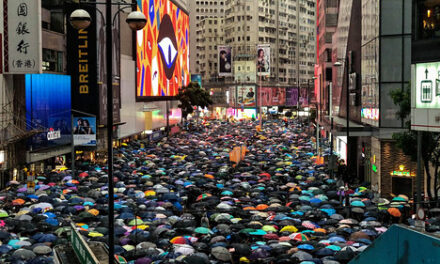
“Why announce this when tens of thousands of people face a very uncertain future of job losses, when countless thousands face serious financial hardship…..”
The announcement of the Great Green Reset at this time shows the chasm between the rulers and the ruled. Adoption of idiotic policies (Greenery, Lockdowns, the MacPherson Report, HS2, gender reassignment on the NHS etc) shows that our governing classes live on a different planet from the rest of us, in their own fantasy world. Idiotic decisions may be a way of flaunting wealth & power & status, of boasting to us “We can afford all this nonsense, and you can’t ! “